Copyright @ 2023 www.digimitr.com. All rights reserved.

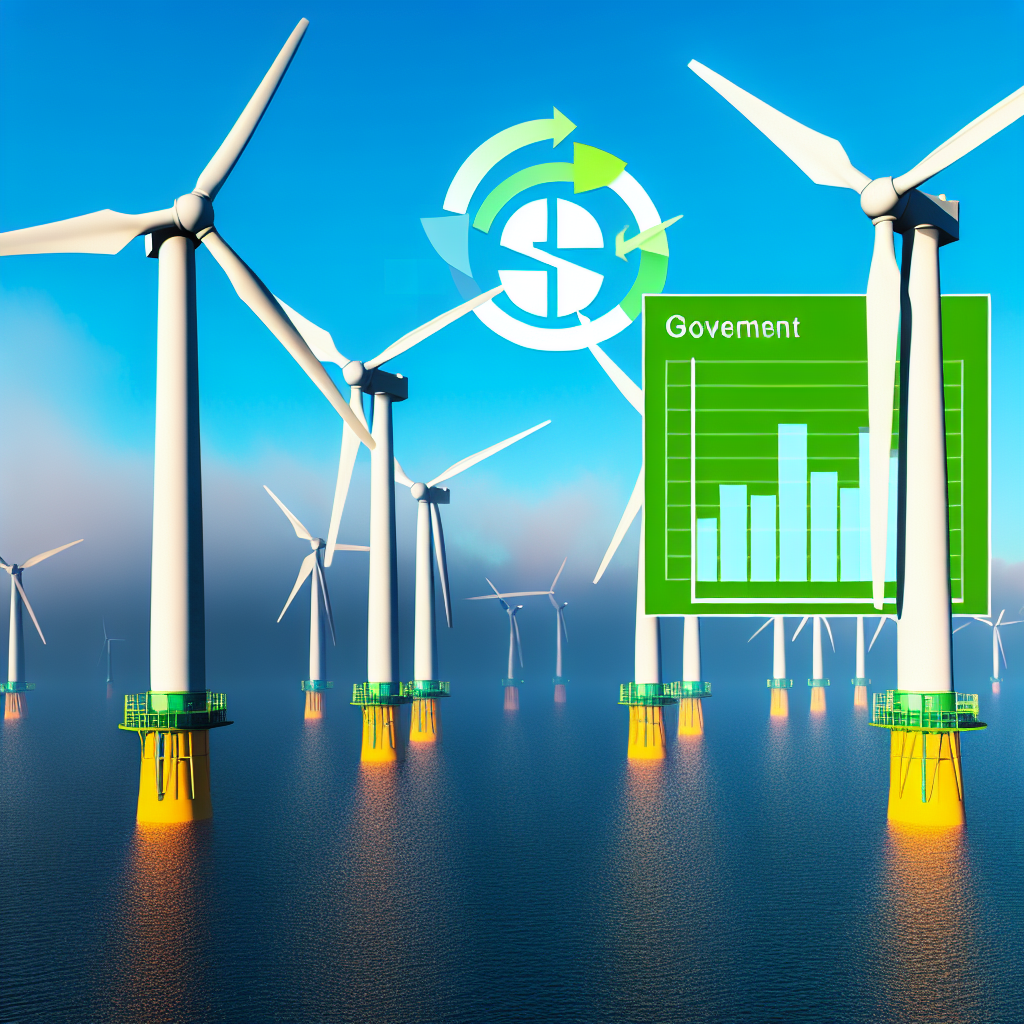
Unlocking Offshore Wind Potential: A Comprehensive Guide to Viability Gap Funding (VGF) for Renewable Energy Projects

Learn about the key aspects of the government scheme titled “Unlocking Offshore Wind Potential: A Comprehensive Guide to Viability Gap Funding (VGF) for Renewable Energy Projects”. This program is overseen by the relevant ministry and focuses on delivering benefits to eligible beneficiaries.
Here is a comprehensive overview:
Introduction
Offshore wind energy represents one of the most promising avenues for clean, sustainable energy generation. With winds stronger and more consistent over oceans, harnessing this potential can significantly reduce reliance on fossil fuels. However, the initial capital required for such projects can be significant. This is where Viability Gap Funding (VGF) comes into play. VGF acts as a financial tool designed to bridge the gap between the cost of project development and the revenue generated. This article aims to provide a comprehensive overview of VGF, focusing on its application in offshore wind projects, its eligibility criteria, benefits, and potential challenges.
Eligibility Criteria
Eligibility for VGF can depend on various factors, including the nature of the project and the region it’s situated in. Generally, certain core criteria must be met:
- Project Type: Projects must be specifically aimed at renewable energy production with a focus on offshore wind installations.
- Financial Structure: The project should demonstrate a clear financial model that depicts how VGF will be utilized to achieve economic viability.
- Regulatory Approval: Projects must secure necessary permits from local and national authorities.
- Technical Feasibility: Demonstrations of technical capability, along with assurance that the project aligns with existing energy strategies and policies, are typically essential.
- Timelines: Applicants should provide a realistic timeline for project execution, showcasing the start and completion phases, which will help authorities gauge the project’s viability.
Key Features and Benefits
The VGF program offers several key features that make it attractive to developers:
- Financial Stability: By reducing the financial risks involved, VGF allows project developers to secure funding more easily from private investors and banks.
- Encouragement of Innovation: With lower upfront costs, developers can invest in new and innovative technologies that may increase efficiency and lower operational costs in the long run.
- Job Creation: The development of offshore wind projects stimulates job creation in manufacturing, installation, and maintenance sectors, contributing to local economies.
- Energy Security: Increasing the share of renewable energy contributes to energy independence, minimizing reliance on imported fossil fuels.
- Environmental Impact: Offshore wind energy projects have a far lower carbon footprint compared to traditional energy sources, promoting a greener future.
Application Process
Applying for VGF involves a structured process aimed at assessing the project’s viability thoroughly. The application process generally consists of the following steps:
- Pre-Application Stage: Interested developers must conduct initial assessments and feasibility studies to ascertain project viability.
- Documentation Preparation: Potential applicants need to prepare a comprehensive proposal document that includes technical, financial, and environmental assessments.
- Submission of Application: The completed application should be submitted to the relevant authority, typically accompanied by an application fee.
- Review Process: A reviewing committee will evaluate the submitted applications against eligibility criteria, assessing the feasibility and potential impact of each project.
- Approval and Agreement: Once a project is approved, an agreement is signed to outline the terms of VGF disbursement and monitoring.
Funding and Budget
Funding under the VGF program can vary by project. Generally, VGF may cover a portion (usually up to 40-50%) of the initial capital expenditure, significantly lowering the burden on developers. This funding is often granted based on milestones achieved throughout the project timeline. The allocated budget may also be subject to regional policies and specific government objectives concerning renewable energy.
Besides direct VGF assistance, beneficiaries may also access various incentive programs designed to promote renewable energy, making it crucial for developers to explore all possible funding avenues.
Achievements or Impact
The implementation of VGF has positively impacted many offshore wind projects globally. Countries that have adopted this funding mechanism have witnessed notable growth in their offshore wind capacities. For instance, major projects have been successfully financed and completed, resulting in increased energy production and the ushering of diverse job opportunities in the related sectors. Successful projects have often set benchmarks for future offshore installations, underscoring the necessity of VGF in accelerating energy transition.
Challenges (if any)
Despite its numerous benefits, VGF does face challenges that can hinder its effectiveness. One significant challenge is the perception of risk among private investors; developers might struggle to convey the financial viability of their projects. Moreover, bureaucratic hurdles, such as lengthy approval processes and excessive red tape, can lead to project delays. Additionally, achieving consensus among various stakeholders can often complicate project execution.
Moreover, the variability of wind resource availability needs to be managed effectively; failure to do so can jeopardize the project’s long-term sustainability, raising concerns around profitability.
Recent Updates
Government initiatives are continually evolving in response to changing energy landscapes and environmental commitments. Recent updates regarding VGF might include enhancements in funding caps and streamlined application processes aimed at expediting project approvals. Additionally, partnerships between governmental bodies and private developers are being encouraged to enhance resource sharing and investment in offshore wind development.
The rise of community-driven renewable energy projects has gained traction, pushing for a more inclusive approach in decision-making. This shift is expected to foster greater public acceptance and investment in offshore wind, ensuring broader societal benefits.
Conclusion
Viability Gap Funding is a crucial instrument in advancing offshore wind energy projects, facilitating the transition towards cleaner, more sustainable energy solutions. By addressing the distinct financial challenges faced in the renewable energy sector, VGF lays down a strategic framework for innovative development and substantial investment. As global energy demands continue to rise, comprehensive funding mechanisms like VGF will be critical in unlocking the full potential of offshore wind energy, paving the way for a greener and more sustainable future.
Frequently Asked Questions (FAQ)
What is the role of Viability Gap Funding (VGF) in offshore wind projects?
VGF plays a crucial role by providing financial support to bridge the funding gap, making offshore wind projects more attractive to investors and easier to finance.
How can I apply for VGF for my offshore wind project?
To apply for VGF, developers must submit a detailed application demonstrating project viability, financial modeling, and compliance with eligibility criteria. The process involves a review stage followed by potential approval and funding agreements.
What are the other funding options available for offshore wind projects?
In addition to VGF, project developers can explore various grants, tax incentives, and public-private partnerships, which can provide additional financial support and lower project costs.
For more information, check out official government site,
Official government website or relevant source not provided.
Stay updated on related schemes and initiatives using hashtags: #Unlocking #Offshore #Wind #Potential #Comprehensive #Guide #Viability #Gap #Funding #VGF #Renewable #Energy #Projects
Share your thoughts about this scheme in the comments below!