
Copyright @ 2023 www.digimitr.com. All rights reserved.

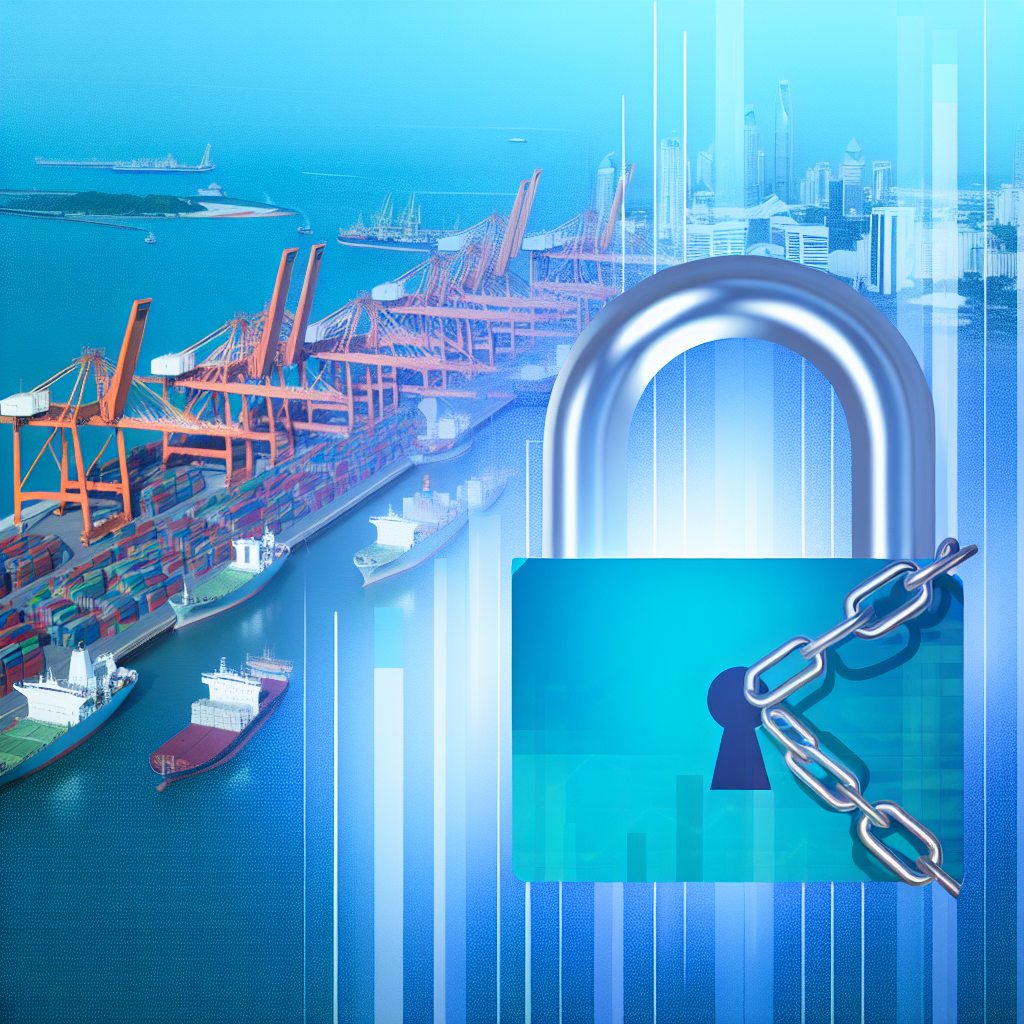
Unlocking Economic Potential: How SAGARMALA is Revolutionizing India’s Maritime Trade and Infrastructure

Explore the details of the government scheme titled “Unlocking Economic Potential: How SAGARMALA is Revolutionizing India’s Maritime Trade and Infrastructure”. This initiative is managed by the relevant ministry and focuses on providing benefits to eligible beneficiaries.
Here is a comprehensive overview:
Introduction
India’s coastline spans over 7,500 kilometers, presenting a wealth of opportunity for enhancing maritime trade and infrastructure. With a vision to modernize ports and associated infrastructure, the SAGARMALA project was initiated in 2015. This ambitious initiative aims to harness the vast potential of India’s coastline, boosting economic growth, enhancing trade efficiency, and transforming the country into a global maritime hub.
Eligibility Criteria
The SAGARMALA program is designed to benefit various stakeholders, including state governments, private players, and port authorities. Eligibility for participation in the program involves several criteria. State governments must align their maritime and coastal development policies with the central vision set by SAGARMALA. Private investors, including shipping companies and infrastructure developers, are required to meet stringent operational benchmarks and financial stability metrics to partake in specific projects under this initiative. Furthermore, local communities and stakeholders must demonstrate a commitment to sustainable development that respects environmental considerations.
Key Features and Benefits
SAGARMALA encompasses an array of key characteristics aimed at revolutionizing India’s maritime landscape. One of the standout features is the development of port connectivity, which seeks to enhance logistical efficiency through better road and rail networks. This connectivity ensures that goods move swiftly from ports to markets, significantly reducing transportation costs and time.
Another critical component of SAGARMALA is the modernization of existing ports. By investing in state-of-the-art technology and infrastructure, the project enhances the capacity and efficiency of ports, enabling them to handle larger vessels and increase throughput.
The project also emphasizes the creation of coastal economic zones (CEZs) that aim to promote industrial development along the coastline. These zones are envisioned as hubs for manufacturing, logistics, and commerce, translating to job creation and economic diversification.
Perhaps the most crucial benefit is the anticipated boost to trade. By reducing reliance on road and rail transport—typically more time-consuming and costly—SAGARMALA encourages greater use of coastal shipping routes. This shift will inevitably contribute to lowering logistical costs, ultimately benefiting consumers and businesses alike.
Application Process
The application process for SAGARMALA projects is structured and systematic. Interested stakeholders—be they state governments or private entities—must submit a detailed proposal outlining their project objectives, economic viability, and alignment with the overarching goals of the initiative.
The proposals are then reviewed by the Sagarmala Development Company Limited (SDCL), which is responsible for facilitating and executing the various phases of the project. Following approval, detailed discussions and negotiations are held to finalize funding mechanisms and operational frameworks. Stakeholders must engage in periodic assessments and reviews to monitor progress and ensure compliance with SAGARMALA standards.
Funding and Budget
The SAGARMALA initiative is backed by a robust financial framework. The government has allocated significant resources, translating to a budget in the range of several thousand crores. Funding comes from central government grants, state contributions, private investments, and institutional financing. The flexibility in funding models allows for innovative financing options, including public-private partnerships, which play a pivotal role in leveraging additional resources and expediting project implementation.
Achievements or Impact
Since its inception, SAGARMALA has made significant strides in transforming India’s maritime landscape. Several projects have been successfully completed, including the modernization of existing port facilities and the establishment of new ports in locations like Paradip and Cochin. These developments have led to an impressive increase in cargo handling capacities and operational efficiencies.
Moreover, the initiative has contributed to substantial employment generation, with thousands of jobs created in port operations, logistics, and related sectors. By promoting coastal shipping, SAGARMALA has begun to shift the transportation paradigm, leading to reduced carbon footprints and more efficient trade routes.
Challenges (if any)
Despite its many successes, the SAGARMALA initiative faces several challenges. One of the primary hurdles is addressing environmental concerns associated with coastal development. Critics argue that inadequate assessments and rapid infrastructure growth can undermine fragile coastal ecosystems. Balancing industrial development with sustainability is an ongoing challenge that necessitates strategic planning and stakeholder engagement.
Additionally, navigating bureaucratic impediments can stall project timelines, as securing permits and approvals often requires lengthy coordination among various government agencies. Finally, lapses in community engagement can lead to local opposition, impacting project viability and community relations.
Recent Updates
As of 2023, SAGARMALA is witnessing continued momentum. Recent updates include the announcement of new projects and partnerships aimed at expanding the scope of coastal economic zones. The government is additionally focusing on integrating digital technologies into port operations, aiming for better tracking and management systems that can streamline operational efficiencies further.
Furthermore, there’s a renewed emphasis on sustainable practices through initiatives like green ports, which aim to reduce the environmental impact of port operations. As climate change becomes an increasingly pressing issue, SAGARMALA is adapting by incorporating eco-friendly policies into its framework.
Conclusion
The SAGARMALA initiative represents a transformative approach to leveraging India’s maritime strengths for economic growth. By modernizing infrastructure, enhancing port connectivity, and fostering sustainable development, SAGARMALA is set to unlock enormous economic potential. While challenges remain, the ongoing commitment of stakeholders and the government could ensure that this visionary project realizes its full promise, positioning India as a global maritime powerhouse.
FAQ
1. What is SAGARMALA?
SAGARMALA is a flagship program initiated by the Government of India in 2015 aimed at modernizing India’s ports and enhancing coastal infrastructure to boost economic growth and trade efficiency.
2. Who can participate in the SAGARMALA project?
State governments, private companies, and port authorities can participate, provided they align their projects with the initiative’s goals and meet specific eligibility criteria.
3. What are the major benefits of SAGARMALA?
The benefits include improved port connectivity, modernization of existing facilities, job creation, reduced logistical costs, and the development of coastal economic zones that foster industrial growth.
For more information, check out official government site,
Official government website or relevant source not provided.
Stay updated on related schemes and initiatives using hashtags: #Unlocking #Economic #Potential #SAGARMALA #Revolutionizing #Indias #Maritime #Trade #Infrastructure
Join the discussion about this scheme in the comments below!