Copyright @ 2023 www.digimitr.com. All rights reserved.

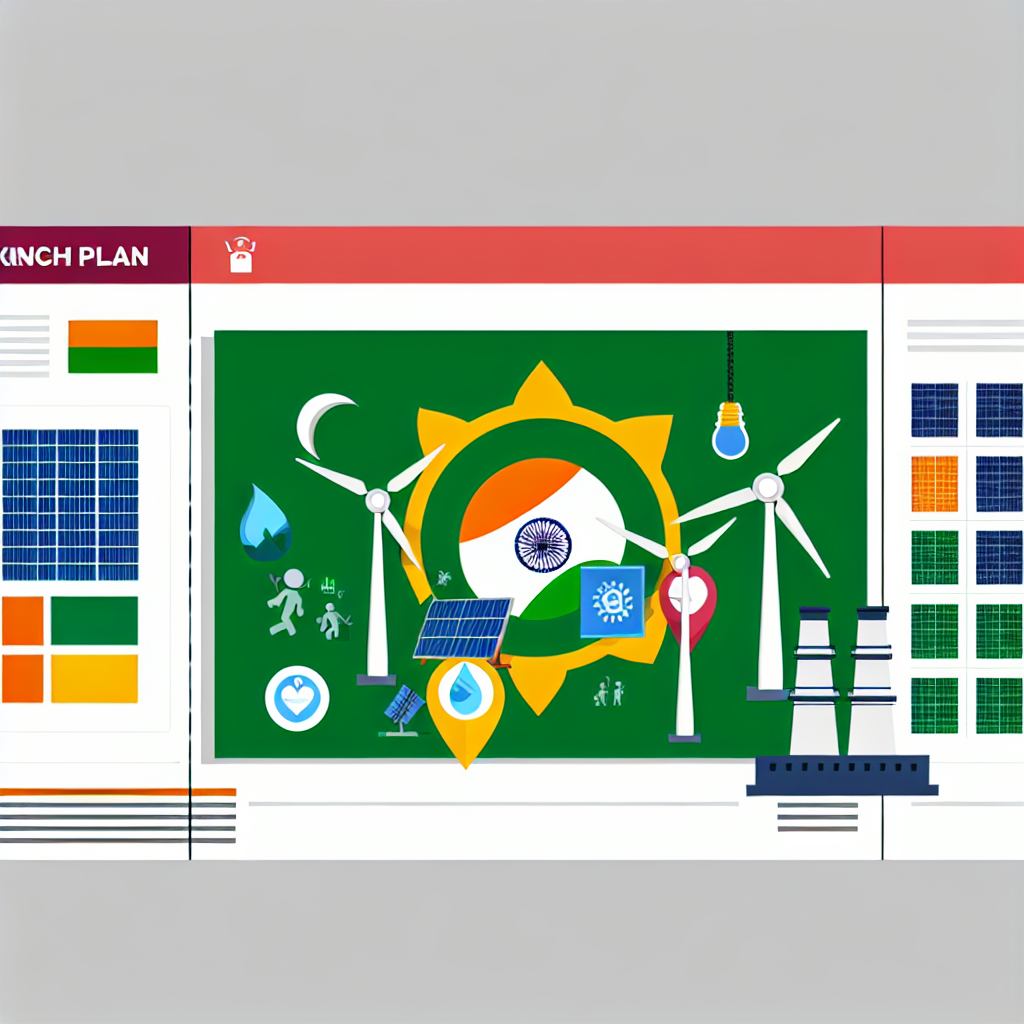
Unlocking Clean Energy: A Comprehensive Guide to India’s National Green Hydrogen Mission (NGHM) by the Ministry of New and Renewable Energy

Explore the details of the government scheme titled “Unlocking Clean Energy: A Comprehensive Guide to India’s National Green Hydrogen Mission (NGHM) by the Ministry of New and Renewable Energy”. This initiative is overseen by the relevant ministry and focuses on delivering benefits to eligible beneficiaries.
Here is a comprehensive overview:
Introduction
The National Green Hydrogen Mission (NGHM) represents a transformative step for India towards achieving sustainable energy independence. Launched by the Ministry of New and Renewable Energy (MNRE), the mission aims to establish India as a global hub for green hydrogen production and utilization. Hydrogen, particularly when produced from renewable sources, has emerged as a clean energy carrier that can decarbonize sectors such as transportation, industry, and energy. The NGHM seeks not only to enhance energy security but also to mitigate the pressing challenges of climate change and pollution.
Eligibility Criteria
To participate in the National Green Hydrogen Mission, applicants must meet specific eligibility criteria set forth by the MNRE. Eligible entities include academic institutions, research organizations, private firms, and governmental agencies engaged in renewable energy. Projects focusing on the development of green hydrogen technologies, innovative applications, and integrated systems are favored. Furthermore, proposals should align with national energy goals and demonstrate potential for large-scale deployment. Collaborations with international entities are also encouraged, promoting knowledge exchange and technological advancement.
Key Features and Benefits
The NGHM is characterized by several key features designed to spur innovation and investment in the green hydrogen sector:
1. **Production Incentives**: The mission offers financial support for the establishment of green hydrogen production facilities, significantly lowering the cost for prospective developers.
2. **Technology Development**: An emphasis on research and development activities encourages the creation of efficient and advanced electrolyzers and other hydrogen-related technologies.
3. **Integrated Ecosystem**: The NGHM promotes an integrated approach by synergizing hydrogen production with renewable energy sources, thereby optimizing efficiency and sustainability.
4. **Domestic and International Collaboration**: The mission encourages partnerships across industries and nations, aiming to create a robust ecosystem for green hydrogen production and application.
The benefits of embarking on this mission extend beyond mere economic growth. By creating a robust green hydrogen sector, India can aim for a reduction in greenhouse gas emissions, air pollution, and reliance on fossil fuels.
Application Process
The application process for the National Green Hydrogen Mission is designed to be transparent and accessible. Interested parties can submit their project proposals through the MNRE’s official portal. The application must include a detailed project report, outlining the project’s scope, technological approach, expected timelines, and anticipated outcomes.
Once submitted, applications undergo a thorough evaluation process. Proposals are assessed based on their feasibility, innovation, and alignment with national and jurisdictional energy goals. Following initial evaluations, selected applications may require presentations or further clarifications. Successful candidates receive formal approval, granting them access to the financial support and resources outlined in the mission.
Funding and Budget
The NGHM operates under a substantial financial framework, with the government allocating a dedicated budget to facilitate various initiatives. The mission’s budget includes funding for direct grants, subsidies for research and development, and financial incentives for green hydrogen projects. This financial backing significantly reduces barriers for startups and established companies alike.
Additionally, a portion of the fund is earmarked for capacity-building programs aimed at educating stakeholders about green hydrogen technologies and applications. The government’s commitment to invest in this sector reflects a long-term vision of making green hydrogen an integral part of India’s energy landscape.
Achievements or Impact
Since its inception, the National Green Hydrogen Mission has achieved various milestones. Significant strides have been made in the establishment of pilot projects and demonstration plants across the country, showcasing the feasibility and efficiency of green hydrogen technologies. Collaborative initiatives with international institutions have resulted in knowledge transfer and joint research ventures, promoting continuous innovation.
Furthermore, the mission has stimulated private sector interest, leading to investments from both domestic and international firms in the hydrogen economy. These developments contribute to job creation and sustainable livelihoods, especially in rural and semi-urban areas where development is often needed the most.
Challenges
Despite its successes, the National Green Hydrogen Mission faces several challenges. One prominent issue is the high initial capital cost associated with the production of green hydrogen. Many investors remain hesitant due to uncertain returns, particularly given the current economic climate.
Additionally, there is an ongoing need for infrastructure development, such as distribution systems and fueling stations. The limited awareness and understanding of hydrogen technology among stakeholders can also pose a barrier to widespread adoption.
Another challenge is the need for consistent and supportive policy frameworks, ensuring that regulatory requirements do not stifle innovation and investment. Addressing these challenges is crucial for the long-term success of the NGHM.
Recent Updates
Recent updates regarding the National Green Hydrogen Mission reflect the government’s continuous commitment to advancing the green hydrogen agenda. Newly proposed policies aim to streamline regulations, making it easier for projects to get off the ground. Increased collaborations with research institutions have been announced to facilitate pilot projects focused on hydrogen utilization in various sectors such as transportation and industrial processes.
Moreover, enhanced international partnerships have been formed, allowing India to engage in global forums dedicated to hydrogen technology, sharing best practices and advancing the conversation on sustainable energy.
Conclusion
The National Green Hydrogen Mission is a significant step towards achieving India’s clean energy goals. By fostering an ecosystem that encourages innovation, collaboration, and investment, the NGHM is positioning India as a leader in the global movement for sustainable energy solutions. While challenges remain, the mission’s vision for a cleaner, greener future continues to inspire a wide range of stakeholders, from government entities to private sector players and research organizations. With dedicated efforts, India can unlock the potential of green hydrogen and work towards a sustainable energy landscape.
FAQ Section
What is green hydrogen, and why is it important?
Green hydrogen is hydrogen produced using renewable energy sources, primarily through the electrolysis of water. It is important because it offers a zero-emission energy carrier that can help decarbonize various sectors, reduce dependence on fossil fuels, and support efforts to combat climate change.
How can businesses participate in the National Green Hydrogen Mission?
Businesses interested in participating must submit a project proposal through the MNRE’s official portal. Eligible entities include private firms, research organizations, and governmental agencies focusing on green hydrogen technologies. Collaboration with international partners is also encouraged.
What are the long-term goals of the National Green Hydrogen Mission?
The long-term goals of the NGHM include establishing India as a global hub for green hydrogen production, enhancing energy security, reducing greenhouse gas emissions, and fostering technological innovation in the hydrogen sector. The mission aims to significantly contribute to India’s overall sustainable energy strategy.
For more information, check out official government site,
Official government website or relevant source not provided.
Stay updated on related schemes and initiatives using hashtags: #Unlocking #Clean #Energy #Comprehensive #Guide #Indias #National #Green #Hydrogen #Mission #NGHM #Ministry #Renewable #Energy
Join the discussion about this scheme in the comments below!