Copyright @ 2023 www.digimitr.com. All rights reserved.

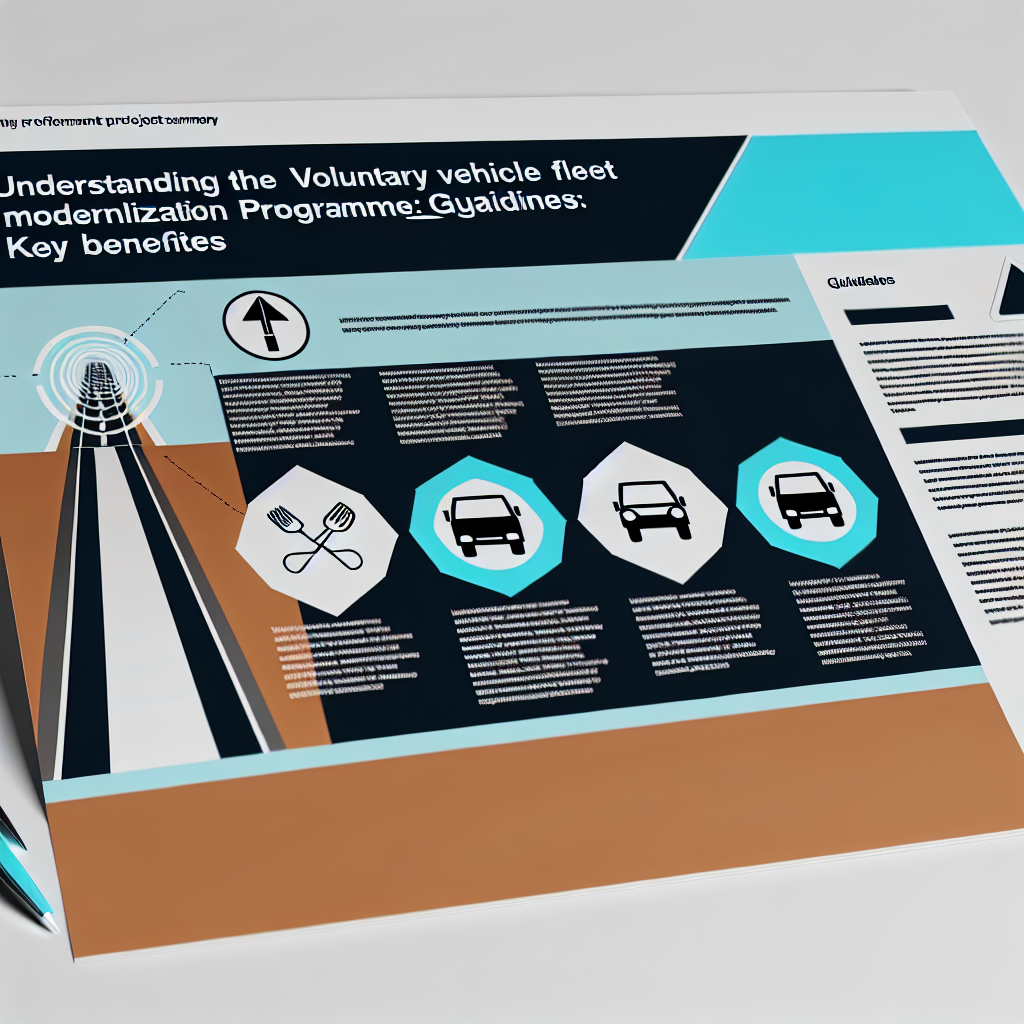
Understanding the Voluntary Vehicle Fleet Modernization Programme: Key Benefits and Guidelines from the Ministry of Road Transport & Highways

Explore the important features of the government scheme titled “Understanding the Voluntary Vehicle Fleet Modernization Programme: Key Benefits and Guidelines from the Ministry of Road Transport & Highways”. This initiative is managed by the relevant ministry and focuses on delivering benefits to eligible beneficiaries.
Here is a comprehensive overview:
The Voluntary Vehicle Fleet Modernization Programme (VVMP) is a significant initiative launched by India’s Ministry of Road Transport & Highways. Its primary purpose is to encourage the adoption of cleaner and more efficient vehicles, thereby promoting sustainability and reducing pollution levels across the nation. As the country’s urban centers grapple with increasing vehicle populations and environmental concerns, the VVMP serves as an essential tool in modernizing the transportation sector.
Eligibility Criteria
To participate in the VVMP, vehicle owners must meet specific eligibility criteria set forth by the Ministry. Firstly, the program targets older vehicles that contribute significantly to pollution. Typically, this means any vehicle that meets the age threshold specified in the guidelines, which generally ranges from 10 to 15 years depending on the type of vehicle and its classification.
Eligible participants can include individual vehicle owners, fleet operators, and even organizations that utilize commercial vehicles. However, it’s crucial for applicants to ensure that their vehicles are registered and operational, as only those that comply with the legal requirements are considered. Additionally, adherence to safety standards is mandatory to qualify for modernization incentives.
Key Features and Benefits
The VVMP boasts several features that make it attractive for participants. One of its most significant benefits is the financial incentive provided for scrapping older, polluting vehicles. This incentive aids in reducing the cost burden associated with acquiring a new vehicle that adheres to modern environmental standards.
Moreover, the program emphasizes the adoption of electric and hybrid vehicles, aligning with the government’s broader initiative to enhance the electrification of the transport sector. Participants are often offered preferential financing rates, allowing them to purchase new vehicles at decreased interest rates.
In a broader context, the VVMP also contributes to environmental sustainability. By encouraging the retirement of high-emission vehicles, the program aims to alleviate air pollution problems prevalent in many urban areas. This not only benefits public health but also contributes to the country’s goals of reducing carbon emissions.
Application Process
To apply for the VVMP, interested participants must follow a systematic application process. The first step involves visiting the official portal or designated centers to gather required information and documentation. Essential documents typically include proof of vehicle ownership, registration details, and compliance certificates.
Once the applicant has prepared the necessary documents, they will need to fill out the application form available on the ministry’s website. After submission, the application undergoes a verification process to ensure all criteria are met. Once approved, participants receive guidance on the next steps, including details on financial incentives and vehicle replacement options.
It is advisable for applicants to stay informed about any updates or changes to the application process through the Ministry’s official communication channels, ensuring that they do not miss critical deadlines or requirements.
Funding and Budget
The VVMP is backed by substantial funding allocated by the government to ensure seamless implementation. The financial framework focuses on providing support for both scrapping older vehicles and incentivizing the purchase of new, cleaner alternatives. The budget varies each fiscal year based on the government’s goals for environmental management and road safety.
Funding is structured to provide direct financial aid to those who scrapped their old vehicles, as well as offering tax rebates and exemptions on the new vehicles bought under the program. This multi-faceted financial strategy not only boosts participation but also enhances the overall effectiveness of the program.
Achievements or Impact
Since its inception, the VVMP has shown positive results in reducing the overall pollution levels generated by vehicular emissions. Reports indicate a significant number of vehicles have been scrapped and replaced with eco-friendlier options. This transition has led to improving air quality in various urban areas across India.
The program has also contributed to increasing public awareness about the importance of cleaner fuels and environmentally friendly vehicles. Educational campaigns and workshops conducted as part of the program have created a ripple effect, encouraging more individuals and businesses to consider sustainable transport solutions. Furthermore, the economic benefits gained from reduced healthcare costs associated with pollution-related diseases cannot be overlooked.
Challenges
Despite its achievements, the VVMP faces several challenges. One major issue is public reluctance to part with older vehicles due to sentimental value or financial constraints. Many vehicle owners are hesitant to invest in new options, particularly in regions wherein used vehicles hold significant market value.
Additionally, the logistic aspect of recycling and scrapping vehicles has encountered hurdles, including the establishment of adequate facilities and frameworks to effectively process old vehicles. Urban areas often lack proper scrappage centers, leading to bottlenecks in the program’s implementation.
Moreover, awareness regarding the program and its benefits remains uneven across different sectors of society. Efforts to promote the initiative have been increasing, but continuous outreach is essential to maximize participation.
Recent Updates
As of 2023, the VVMP has undergone some updates to address previous challenges and enhance its effectiveness. The Ministry has announced a collaborative framework with local municipalities to improve the establishment of vehicle scrapping centers throughout urban areas, making it more accessible for participants.
Additionally, new promotional campaigns focusing on the benefits of electric vehicles have been launched. These initiatives aim to address misconceptions about electric mobility and highlight the long-term cost savings, further encouraging participants to modernize their vehicle fleets.
Moreover, there have been recent collaborations with financial institutions to streamline loan processes for potential buyers, thereby reducing barriers to entry and promoting a shift toward sustainable transportation options.
Conclusion
The Voluntary Vehicle Fleet Modernization Programme represents a proactive approach by the Indian government to tackle air pollution and modernize its transport sector. With numerous benefits for participants and a focus on environmental sustainability, the program has demonstrated its importance in creating a cleaner and safer future. Continued awareness, participation, and updates will further ensure its success in promoting cleaner transportation solutions for all.
FAQ
1. What types of vehicles are eligible for the VVMP?
The program primarily targets older vehicles, typically those over 10 to 15 years in age, depending on the vehicle type. Eligible vehicles include both personal and commercial vehicles that are operational and meet the program’s criteria.
2. How are financial incentives structured under the VVMP?
Financial incentives include direct cash aid for scrapping older vehicles, tax rebates, and preferential financing options on new vehicles purchased. The specifics can vary, so it’s advisable for applicants to check the latest guidelines on the Ministry’s official website.
3. Where can participants find more information about the application process?
Applicants can visit the official website of the Ministry of Road Transport & Highways, where detailed information about the application process, eligibility criteria, and benefits is provided. They can also refer to local government offices or vehicle dealerships for assistance.
For more information, check out official government site,
Official government website or relevant source not provided.
Stay updated on related schemes and initiatives using hashtags: #Understanding #Voluntary #Vehicle #Fleet #Modernization #Programme #Key #Benefits #Guidelines #Ministry #Road #Transport #Highways
Join the discussion about this scheme in the comments below!