Copyright @ 2023 www.digimitr.com. All rights reserved.

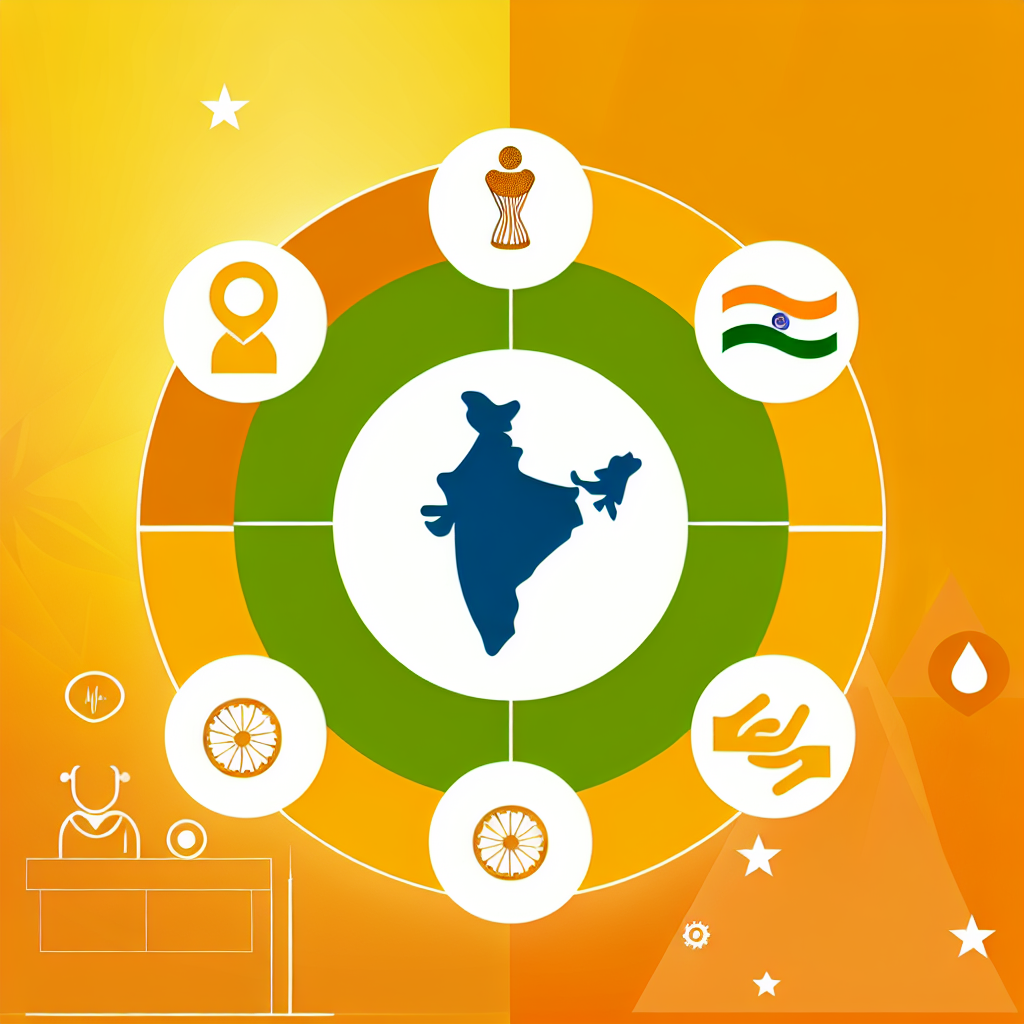
Understanding the National Health Mission (NHM): Key Initiatives and Impact on India’s Healthcare System

Explore the details of the government scheme titled “Understanding the National Health Mission (NHM): Key Initiatives and Impact on India’s Healthcare System”. This initiative is managed by the relevant ministry and focuses on providing benefits to eligible beneficiaries.
Here is a comprehensive overview:
Introduction
The National Health Mission (NHM) is an initiative launched by the Government of India in 2005 to address the health needs of underserved populations and enhance the overall healthcare framework of the country. NHM aims to provide accessible, affordable, and quality healthcare to all, especially vulnerable communities and marginalized groups. This mission plays a critical role in restructuring the healthcare services in India by focusing on improving public health infrastructure, promoting health awareness, and enhancing the quality of healthcare delivery.
Eligibility Criteria
Eligibility for NHM initiatives varies depending on the specific program or scheme under its umbrella. Generally, beneficiaries are often targeted based on socio-economic indicators. Families below the poverty line, scheduled castes (SC), scheduled tribes (ST), and other marginalized communities typically fall under the priority groups. Additionally, pregnant women, lactating mothers, and children under the age of five are vital recipients of healthcare services supported by the NHM. Each state in India may also have additional guidelines to determine eligibility as per local health priorities.
Key Features and Benefits
The National Health Mission is multifaceted, incorporating a range of key features designed to enhance public health in India. One of the mission’s fundamental aspects is its focus on strengthening health infrastructure at both rural and urban levels. This includes establishing Primary Health Centres (PHCs), Community Health Centres (CHCs), and enhancing existing healthcare facilities. The NHM also emphasizes the training of healthcare personnel to improve service delivery and patient outcomes.
Another significant aspect of the NHM is the promotion of preventive health measures through public awareness campaigns on sanitation, nutrition, and various health issues. Programs such as the National Tobacco Control Program and the Mission Indradhanush aim to control the spread of diseases and increase immunization coverage among children. The NHM also supports the integration of various healthcare services, such as the Maternal and Child Health (MCH) services, that better cater to women’s and children’s health.
Benefits associated with NHM initiatives include the availability of quality healthcare at reduced costs, improved maternal and child healthcare outcomes, and increased access to essential medicines and services for the rural population. Furthermore, the NHM fosters partnerships with non-governmental organizations (NGOs) and community-based organizations to sustain initiatives and encourage grassroots participation.
Application Process
The application process for availing NHM services generally revolves around local health facilities. Since NHM seeks to enhance healthcare access, individuals often need to visit their nearest health center for services. For programs targeting specific health needs, such as family planning or immunization, centers may conduct outreach programs to engage communities directly.
In certain cases, particularly when it comes to patient education or awareness initiatives, local health workers or Accredited Social Health Activists (ASHAs) may play a significant role in disseminating information and encouraging participation in health programs. Some NHM initiatives also involve community mobilization efforts to ensure that the most marginalized populations are included in the health services provided.
Funding and Budget
The NHM is supported by both central and state governments, working collaboratively to ensure adequate financial resources for implementing various health initiatives. The budget for NHM is allocated through the Union Budget and is subject to annual revisions based on needs and national health priorities. The mission receives funds to support infrastructure development, human resources, community health programs, and public health initiatives across the country. As of recent years, the NHM has seen an increase in budgetary allocations, signifying the government’s commitment to strengthening healthcare systems.
Achievements or Impact
The NHM has significantly impacted India’s healthcare landscape. The most notable achievements include heightened immunization coverage for children, with initiatives like the Pulse Polio Campaign marking substantial reductions in polio incidence. Maternal and child health indicators have shown improvement through various strategies aimed at reducing maternal mortality rates and ensuring safe deliveries. Additionally, the sustainable management of diseases like leprosy and malaria has also been a positive outcome of NHM interventions.
Moreover, NHM has fostered the integration of traditional systems of medicine, like Ayurveda, into mainstream healthcare. Initiatives such as the National Mental Health Program have further widened the scope of health services offered, addressing the often-overlooked mental health needs of the population.
Challenges
Despite the significant advancements facilitated by NHM, it faces several challenges. One of the primary concerns is inadequate healthcare infrastructure in some regions, which hampers service delivery and accessibility. Additionally, there is the ongoing issue of recruitment and retention of trained healthcare professionals, especially in rural areas, impacting the quality of care provided.
Furthermore, the varied health priorities across different states may lead to unequal implementation of NHM programs, resulting in disparities in health outcomes. Constraints in budget allocations also affect the continuity and sustainability of initiatives, while changing demographic and epidemiological trends necessitate increasing adaptability within the NHM framework.
Recent Updates
In recent years, NHM has adapted to the evolving healthcare challenges in India, particularly highlighted during the COVID-19 pandemic. The mission expanded its focus on infectious disease management and emphasized strengthening public health systems prepared for future health crises. There has also been an intensified focus on digital health initiatives, aimed at improving healthcare access through technology and increasing the efficiency of health data management systems. Recent schemes have also placed stress on mental health, especially considering the pandemic’s toll on mental well-being, leading to the introduction of various support services.
Conclusion
In conclusion, the National Health Mission serves as a cornerstone in the endeavor to reform India’s healthcare system. With a multifaceted approach that includes strengthening healthcare infrastructure, promoting preventive health measures, and targeting vulnerable populations, NHM has made significant strides in enhancing health outcomes across the nation. Although challenges remain, continuous commitment from the government and local communities will be crucial in achieving the mission’s objectives and ensuring that quality healthcare is accessible to all sections of the population.
FAQs
What is the main purpose of the National Health Mission?
The main purpose of the National Health Mission is to provide accessible, affordable, and quality healthcare services to all citizens of India, particularly focusing on underserved and marginalized populations.
How can I access services under the NHM?
Patients can access services under NHM by visiting their nearest primary health centers (PHCs) or community health centers (CHCs). For specific programs, local health workers may also conduct outreach initiatives to engage communities directly.
What are the primary challenges faced by NHM?
The primary challenges faced by NHM include inadequate healthcare infrastructure, difficulty in recruiting and retaining trained healthcare professionals, disparities in health outcomes across states, and constraints in budget allocations impacting program sustainability.
For more information, check out official government site,
Official government website or relevant source not provided.
Stay updated on related schemes and initiatives using hashtags: #Understanding #National #Health #Mission #NHM #Key #Initiatives #Impact #Indias #Healthcare #System
Share your thoughts about this scheme in the comments below!