Copyright @ 2023 www.digimitr.com. All rights reserved.

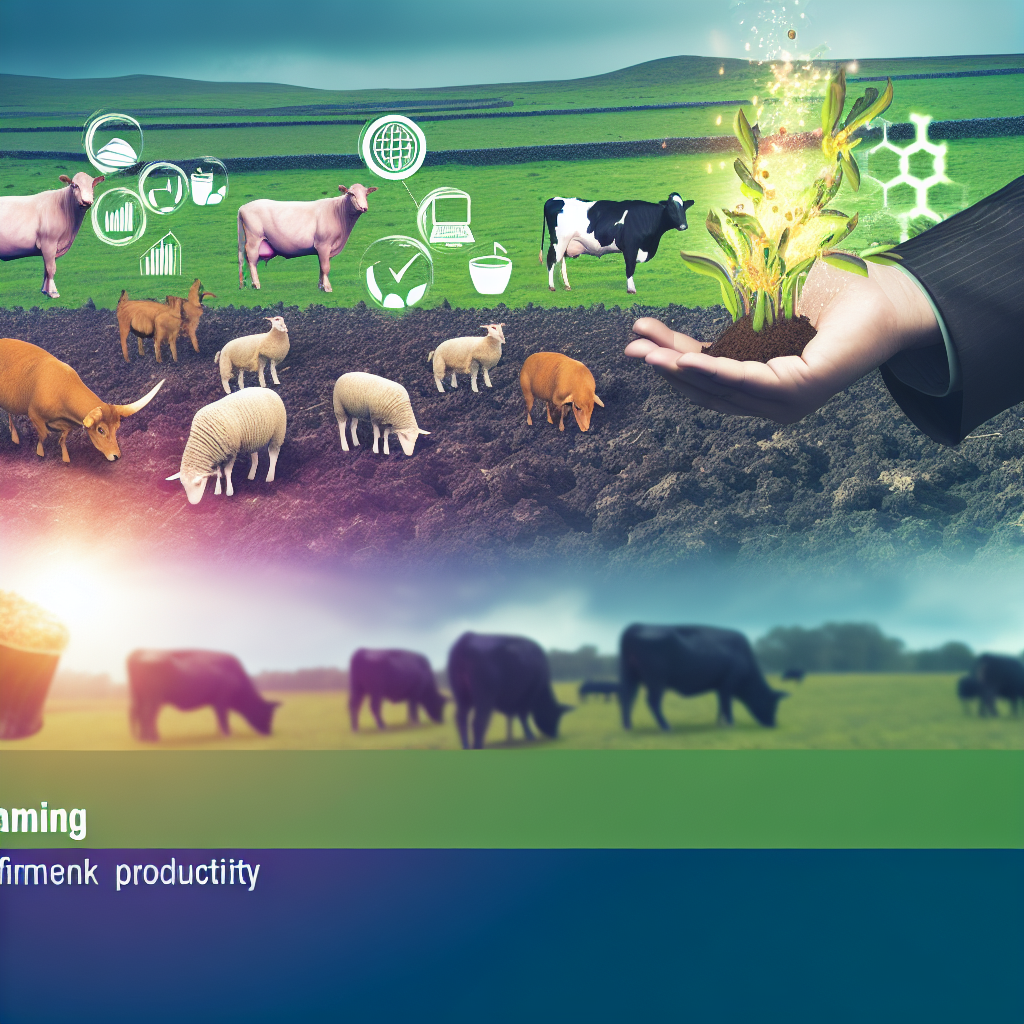
Enhancing Livestock Productivity: A Comprehensive Guide to Government Schemes in Animal Husbandry and Dairying

Learn about the important features of the government scheme titled “Enhancing Livestock Productivity: A Comprehensive Guide to Government Schemes in Animal Husbandry and Dairying”. This scheme is overseen by the relevant ministry and focuses on providing benefits to eligible beneficiaries.
Here is a comprehensive overview:
Livestock farming plays a crucial role in the agricultural ecosystem, being a source of food, income, and livelihood for millions worldwide. In India, the livestock sector significantly contributes to the nation’s economy, with a strong emphasis on improving productivity and sustainability. Recognizing the need for advancement in this sector, the government has rolled out a plethora of schemes designed to enhance animal husbandry and dairying. This article explores various government initiatives aimed at boosting livestock productivity, the eligibility criteria for participants, the benefits offered, and the process to access these schemes.
Eligibility Criteria
To qualify for the government schemes in animal husbandry and dairying, applicants typically must meet certain eligibility criteria. These may include:
- Bona Fide Farmers: The applicant must be a registered farmer or associated with a recognized farmer cooperative.
- Ownership of Livestock: Individuals should possess livestock or the capability to manage one as specified in the scheme.
- Skill Level: Basic knowledge of livestock farming or dairy management may be requisited.
- Financial Viability: In some cases, a financial assessment may be performed to ascertain the ability to sustainably run the farming operations.
- Age Limitation: Some programs may impose an age limit for applicants, typically around 18-60 years.
Key Features and Benefits
The schemes aimed at enhancing livestock productivity come equipped with various features designed to cater to diverse needs across different regions. Key features typically include:
- Subsidies: Many schemes provide financial assistance in the form of subsidies for purchasing livestock, veterinary care, feed, or farm equipment.
- Training Programs: Educational initiatives are often integrated to ensure farmers understand modern techniques in animal husbandry, disease management, and sustainable practices.
- Value Addition: Some programs focus on value-added products, promoting practices such as cheese, yogurt, and other dairy product production.
- Access to Veterinary Services: Ensuring livestock health is crucial; hence, programs frequently include access to veterinary support and medical interventions.
- Market Linkages: Government schemes commonly aim to connect farmers with markets, enhancing their ability to sell their produce more effectively.
With these features, farmers benefit not only from increased productivity but also from improved incomes and better living standards.
Application Process
The application process for these schemes is generally straightforward, designed to encourage maximum participation. While the specific steps may vary amongst different programs, a typical process includes:
- Gathering Documentation: Applicants need to prepare essential documents such as identity proof, land ownership contracts, and any previous farming records.
- Application Form Submission: Individuals must fill out the relevant application forms, which can often be accessed online or at designated government offices.
- Verification: After submission, government officials may conduct a site visit or assessment to verify the information provided.
- Approval and Funding: Upon successful assessment, the application will be approved, and funds or resources will be allocated.
Funding and Budget
The financial aspect of government schemes for livestock productivity varies widely based on the program and its objectives. The government generally allocates a significant budget towards these initiatives, allowing for:
- Direct Financial Support: Subsidies for equipment, livestock purchases, and veterinary expenses.
- Infrastructure Development: Funding for constructing facilities like barns, milking parlors, and feed storage units.
- Research and Development: Investment into innovative practices and technologies aimed at increasing livestock yield.
- Training and Outreach: Resources for organizing workshops and training programs for capacity building.
This financial backing ensures that farmers have access to the necessary resources to improve their livestock management practices.
Achievements or Impact
Government schemes in livestock and dairy sectors have yielded significant results. Notable achievements include:
- A marked increase in milk production, with surplus availability for domestic and export markets.
- Empowerment of marginalized farming communities, leading to enhanced income levels and socio-economic improvements.
- Innovation in dairy processing and marketing, resulting in higher value-added products reaching consumers.
- Reduction in disease outbreaks and improved overall livestock health, directly driving productivity and profitability.
Challenges (if any)
Despite the successes, challenges still hinder the effectiveness of these schemes. Key issues include:
- Lack of Awareness: Many farmers remain unaware of the schemes available, limiting their potential benefits.
- Corruption: Instances of misappropriation of funds or resources can undermine program effectiveness.
- Implementation Issues: Delays in approval or fund disbursement can slow down the intended impact.
- Geographical Disparities: Access to schemes can be uneven, particularly affecting remote areas.
Recent Updates
The government keeps updating its schemes and introducing new initiatives to boost livestock productivity. Recent updates indicate:
- Introduction of technology-driven solutions, such as mobile applications for veterinary services and real-time market information.
- Increased focus on sustainable practices, with schemes encouraging organic and eco-friendly farming methods.
- Launch of initiatives aimed at improving breeder quality, ensuring better livestock genetics and production potential.
Conclusion
Enhancing livestock productivity is pivotal for bolstering food security and economic stability. Through a variety of government schemes, farmers have access to essential resources, training, and financial support that empower them to improve their livestock farming practices. Though challenges remain, continued efforts in this direction will pave the way for a robust and sustainable animal husbandry and dairy sector.
FAQ
1. What types of livestock are covered under government schemes?
Government schemes typically cover a wide range of livestock including cattle, buffalo, goats, sheep, and poultry, catering to the specific needs of different farming communities.
2. How can I find out more about the specific schemes available in my area?
Farmers can visit their local agricultural office or check government websites dedicated to agriculture and livestock to gather information about available schemes and application procedures.
3. Is there any training provided as part of these schemes?
Yes, many government schemes incorporate training programs on best practices in animal husbandry, disease management, and sustainable farming techniques to educate farmers and enhance productivity.
For more information, check out official government site,
Official government website or relevant source not provided.
Stay updated on related schemes and initiatives using hashtags: #Enhancing #Livestock #Productivity #Comprehensive #Guide #Government #Schemes #Animal #Husbandry #Dairying
Share your thoughts about this scheme in the comments below!