
Copyright @ 2023 www.digimitr.com. All rights reserved.

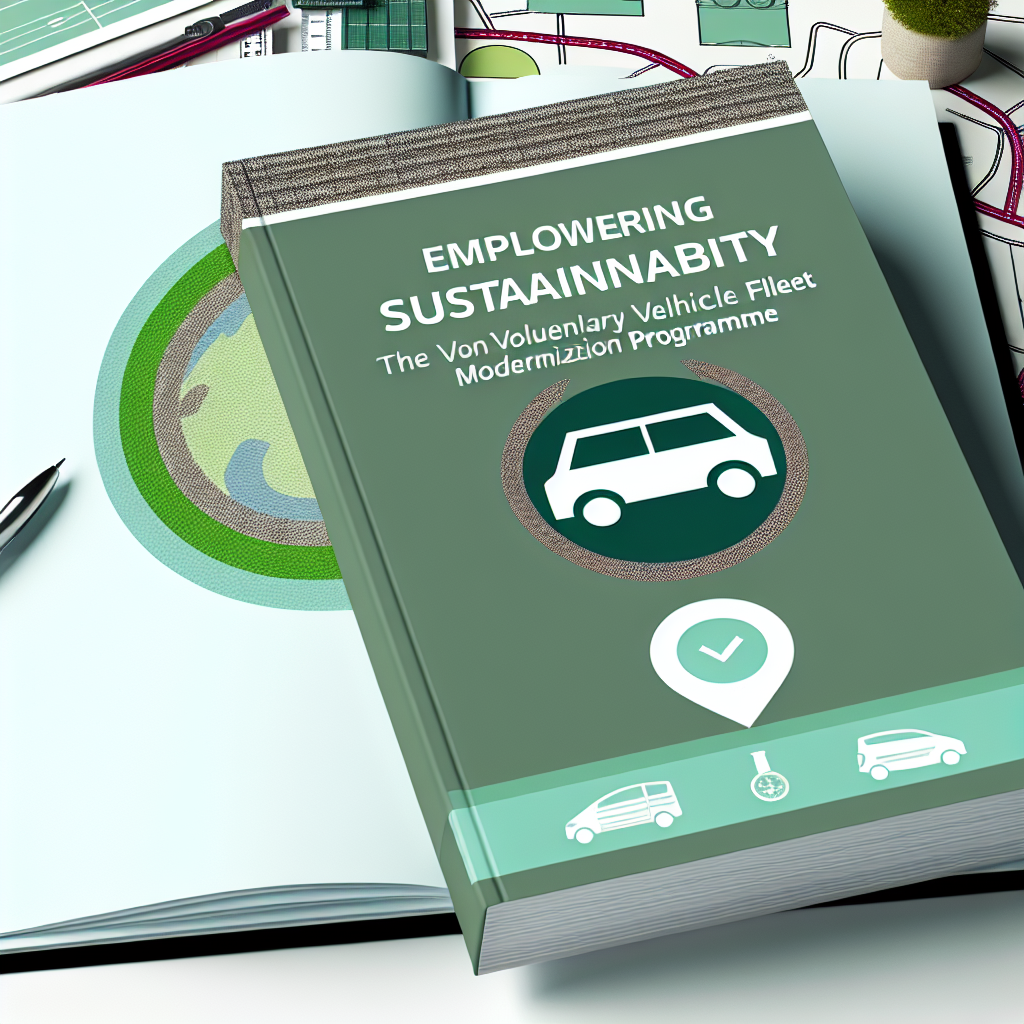
Empowering Sustainability: A Comprehensive Guide to the Voluntary Vehicle Fleet Modernization Programme by the Ministry of Road Transport & Highways

Learn about the details of the government scheme titled “Empowering Sustainability: A Comprehensive Guide to the Voluntary Vehicle Fleet Modernization Programme by the Ministry of Road Transport & Highways”. This initiative is overseen by the relevant ministry and focuses on delivering benefits to eligible beneficiaries.
Here is a comprehensive overview:
Introduction
The Voluntary Vehicle Fleet Modernization Programme (VVMP) initiated by the Ministry of Road Transport & Highways aims to promote sustainable transportation within India. This initiative encourages the adoption of cleaner, more efficient vehicles by offering incentives for the modernization of aging vehicle fleets. As urban population grows and pollution becomes a pressing concern, the VVMP seeks to reduce vehicular emissions, enhance fuel efficiency, and improve overall vehicle safety. This comprehensive guide delves deep into the program’s guidelines, expectations, and opportunities for various stakeholders.
Eligibility Criteria
The eligibility for the VVMP is delineated by specific criteria aimed at targeting both vehicle owners and manufacturers. Primarily, vehicle owners with older models—typically those older than 15 years—are prioritized for modernization. Additionally, commercial vehicle operators are also encouraged to participate in the program, as these vehicles often contribute significantly to urban pollution. Manufacturers of newer, eco-friendly vehicles must also meet defined standards to qualify for incentives under the program. All applicants are advised to familiarize themselves with the foundational guidelines to maximize their chances of participation.
Key Features and Benefits
The VVMP encapsulates several key features designed to streamline the process of vehicle modernization. First and foremost is the financial incentive structure, wherein participants can receive substantial subsidies for scrapping older vehicles and purchasing new, energy-efficient models.
Moreover, the program emphasizes technology integration by encouraging the adoption of electric vehicles (EVs), hybrid models, and other advanced technologies that lower emissions and fuel consumption. This fosters a green ecosystem, contributing to India’s broader renewable energy objectives.
Additionally, environmental benefits such as reduced air pollution, decreased greenhouse gas emissions, and improved public health outcomes are immediate goals. Consequently, the VVMP not only targets vehicle efficiency but also aims to enhance the quality of life in urban areas.
Application Process
The application process for the VVMP is structured to accommodate users at all levels of technological literacy. Vehicle owners intending to modernize their fleets must register on the official ministry website. A step-by-step application guide is available, ensuring that all necessary documents are submitted correctly. Registration requires essential details, including the vehicle’s make and model, age, and ownership proof.
After verification, eligible applicants are then directed to the nearest authorized dealership to finalize their choice of vehicle for purchase. Ongoing support and guidance through this application process is a hallmark of the VVMP, reflecting the government’s commitment to making the transition as seamless as possible.
Funding and Budget
The VVMP is underpinned by substantial financial backing from the central government, reflecting its priority within the national agenda. The allocated budget for the program comes from various fiscal sources, including high-level appropriations aimed specifically at environmental sustainability initiatives.
Under the VVMP, the financial model involves cost-sharing between the government and participants. The government covers a significant portion of the modernization costs through incentives, while participants contribute the remainder. This synergistic funding approach not only makes the program financially viable for participants but also affirms state dedication towards fostering a sustainable transportation ecosystem.
Achievements or Impact
Since its inception, the VVMP has yielded notable achievements. A significant number of outdated vehicles have been scrapped and replaced with modern, efficient options, leading to considerable reductions in city pollution levels.
The program has also contributed to the growth of the green vehicle market in India, as manufacturers scale up production to meet rising demand for eco-friendly vehicles. Additionally, public awareness about sustainability in transportation has soared, effectively encouraging citizens to take proactive measures regarding vehicle emissions and environmental stewardship.
Regular assessments show positive correlation trends between vehicle modernization and enhanced air quality in metropolitan areas. This reflects that the program is not merely changing vehicles but is also reshaping attitudes towards sustainable practices across communities.
Challenges
Despite its successes, the VVMP faces certain hurdles. Public awareness remains one of the foremost challenges, as many vehicle owners are still oblivious to the benefits and incentives that the program offers.
Low participation rates, particularly from rural areas, signify a gap in outreach and engagement strategies which need to be addressed. Importantly, the transition to cleaner vehicles requires an infrastructural overhaul, especially concerning charging stations for electric vehicles, which are still limited in many regions.
The program’s effectiveness also heavily depends on sustained government funding. Economic fluctuations can impact budget allocations, thereby affecting outreach and implementation efforts.
Recent Updates
As of the latest quarter, the Ministry of Road Transport & Highways has announced new administrative reforms aimed at improving the operational efficiency of the VVMP. These include enhanced digital platforms for application submissions, improved customer service mechanisms, and collaborations with local governments for greater awareness campaigns focusing on the advantages of fleet modernization.
In addition, the introduction of new models of subsidies has made participating in the program even more economic. New incentives specifically for electric vehicle purchases highlight the program’s shift towards a greener future, aligning with global trends towards renewable energy adoption.
Conclusion
The Voluntary Vehicle Fleet Modernization Programme represents a transformative approach to sustainable transportation in India. By incentivizing the transition from older vehicles to modern autos, it heralds a new era of reduced emissions and improved public health. This initiative serves as a blueprint for integrating environmental responsibility into everyday transportation choices. As the program evolves, ongoing assessments and updates will be crucial to ensure its effectiveness and reach, ensuring that both urban and rural residents can benefit from a sustainable future.
FAQ
What types of vehicles are eligible for the VVMP?
The program primarily targets private and commercial vehicles older than 15 years. It encourages the scrapping of these vehicles in exchange for incentives towards purchasing newer, more efficient models.
How are the incentives structured for participants?
The incentives are structured as financial subsidies provided by the government, allowing participants to receive a significant portion of the scrapping and purchase costs as financial support.
What are the recent changes in the program?
Recent updates include enhanced digital applications, better customer service mechanisms, and new subsidies aimed particularly at the adoption of electric vehicles, reflecting the program’s commitment to fostering a greener transportation ecosystem.
For more information, check out official government site,
Official government website or relevant source not provided.
Stay updated on related schemes and initiatives using hashtags: #Empowering #Sustainability #Comprehensive #Guide #Voluntary #Vehicle #Fleet #Modernization #Programme #Ministry #Road #Transport #Highways
Join the discussion about this scheme in the comments below!
Disability insurance policy provides financial protection when an illness or injury prevents work, ensuring income continuity.
Your comment is awaiting moderation.Understanding own-occupation versus any-occupation definitions helps you estimate the likelihood of claim approval.
Tax treatment of disability benefits varies by country and policy type, so consulting a specialist is wise.
Meticulous attention to policy wording minimizes unexpected outcomes in claims and benefits.
Disability insurance complements other protections, forming a holistic shield against income disruption.
Evaluate riders addressing partial disabilities or residual income to enhance coverage.
Maintaining detailed medical documentation strengthens the claim submission.
Review premiums and benefit changes annually to avoid surprises as you age or experience health changes.
affordable health insurance [url=http://flightattendantdiary.com/blog/how-health-insurance-really-works-in-2026/]https://flightattendantdiary.com/blog/how-health-insurance-really-works-in-2026/[/url]